
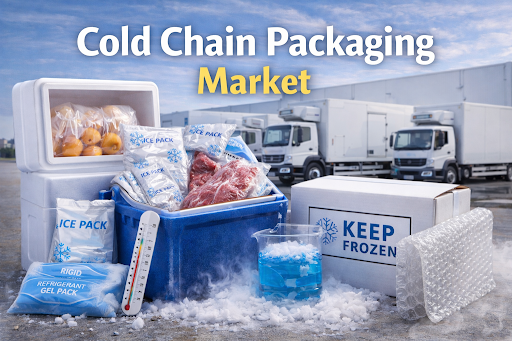
The global logistics landscape is undergoing a significant transformation, and cold chain packaging is at the forefront of this evolution. The Cold Chain Packaging Market was valued at USD 25.8 billion in 2023 and is projected to reach USD 70.4 billion by 2032, expanding at a robust CAGR of 11.82% during the forecast period from 2024 to 2032. Cold chain packaging plays a critical role in maintaining the integrity of temperature-sensitive products, including pharmaceuticals, food and beverages, and biotechnology goods. The growing demand for safe, efficient, and reliable transportation solutions for perishable items is driving adoption across regions, with manufacturers and distributors increasingly investing in advanced packaging technologies to meet stringent regulatory requirements and consumer expectations.
The Cold Chain Packaging Market is primarily fueled by the rising global demand for perishable goods and temperature-sensitive pharmaceuticals. With the rapid expansion of e-commerce and online grocery platforms, products such as fresh produce, dairy, seafood, and frozen foods require highly efficient cold chain solutions to maintain quality during transit. Similarly, the healthcare industry relies heavily on cold chain packaging for vaccines, biologics, and other temperature-sensitive drugs. The COVID-19 pandemic underscored the importance of reliable cold chain systems, as vaccines required strict temperature control to remain effective. This heightened awareness has accelerated the adoption of specialized packaging solutions designed to preserve product efficacy and minimize wastage.
Technological innovation is another key driver supporting the growth of cold chain packaging. Companies are developing advanced insulated materials, phase-change materials, and smart temperature monitoring solutions that offer enhanced performance and real-time tracking capabilities. Innovations such as reusable and eco-friendly packaging options are gaining popularity as businesses aim to reduce their environmental footprint while maintaining the safety of temperature-sensitive products. Moreover, digitalization in supply chains, including IoT-enabled temperature sensors and data analytics platforms, is providing greater transparency and control over the cold chain process, allowing stakeholders to respond proactively to deviations and optimize logistics operations.
Regional dynamics also play a crucial role in shaping the cold chain packaging landscape. North America and Europe remain significant markets due to the presence of well-established logistics infrastructure, stringent food safety and pharmaceutical regulations, and high consumer awareness regarding product quality. The Asia-Pacific region, however, is emerging as a major growth hub, driven by rising disposable incomes, increased demand for perishable foods, and expanding pharmaceutical manufacturing activities in countries such as China, India, and Japan. Latin America and the Middle East are also witnessing growth, as governments invest in cold chain infrastructure to support food security and healthcare initiatives. These regional variations highlight the strategic importance of localizing packaging solutions to address unique market needs and regulatory requirements.
Cost optimization and sustainability are additional factors influencing market trends. Companies are increasingly adopting lightweight and energy-efficient packaging materials to reduce transportation costs and carbon emissions. Multi-use and recyclable cold chain containers are becoming standard practice, especially in regions with strong regulatory pressure for eco-friendly packaging. These strategies not only improve operational efficiency but also enhance brand reputation and consumer trust, as end-users increasingly prefer products that prioritize sustainability.
Despite the promising growth trajectory, the cold chain packaging sector faces certain challenges. High initial investment costs for advanced packaging technologies, fluctuations in raw material prices, and the need for skilled personnel to manage sophisticated cold chain operations can create barriers to entry for smaller players. Additionally, maintaining consistent temperature control across long and complex supply chains remains a logistical challenge, particularly in developing regions with limited infrastructure. However, ongoing innovations, partnerships, and investments in cold chain logistics are expected to overcome these hurdles and drive continued market expansion.
In conclusion, cold chain packaging has become an indispensable component of modern supply chains, ensuring the safe and efficient transport of perishable and temperature-sensitive goods. With a projected value of USD 70.4 billion by 2032 and a CAGR of 11.82%, the sector offers substantial opportunities for manufacturers, distributors, and technology providers seeking to capitalize on the growing demand for reliable cold chain solutions. As technological advancements, sustainability initiatives, and global trade continue to shape the industry, cold chain packaging will remain central to maintaining product quality, reducing waste, and supporting the safe delivery of essential goods to consumers worldwide. The convergence of innovation, regional growth, and regulatory support positions the cold chain packaging industry as a resilient and high-potential sector within the broader logistics and supply chain ecosystem.