
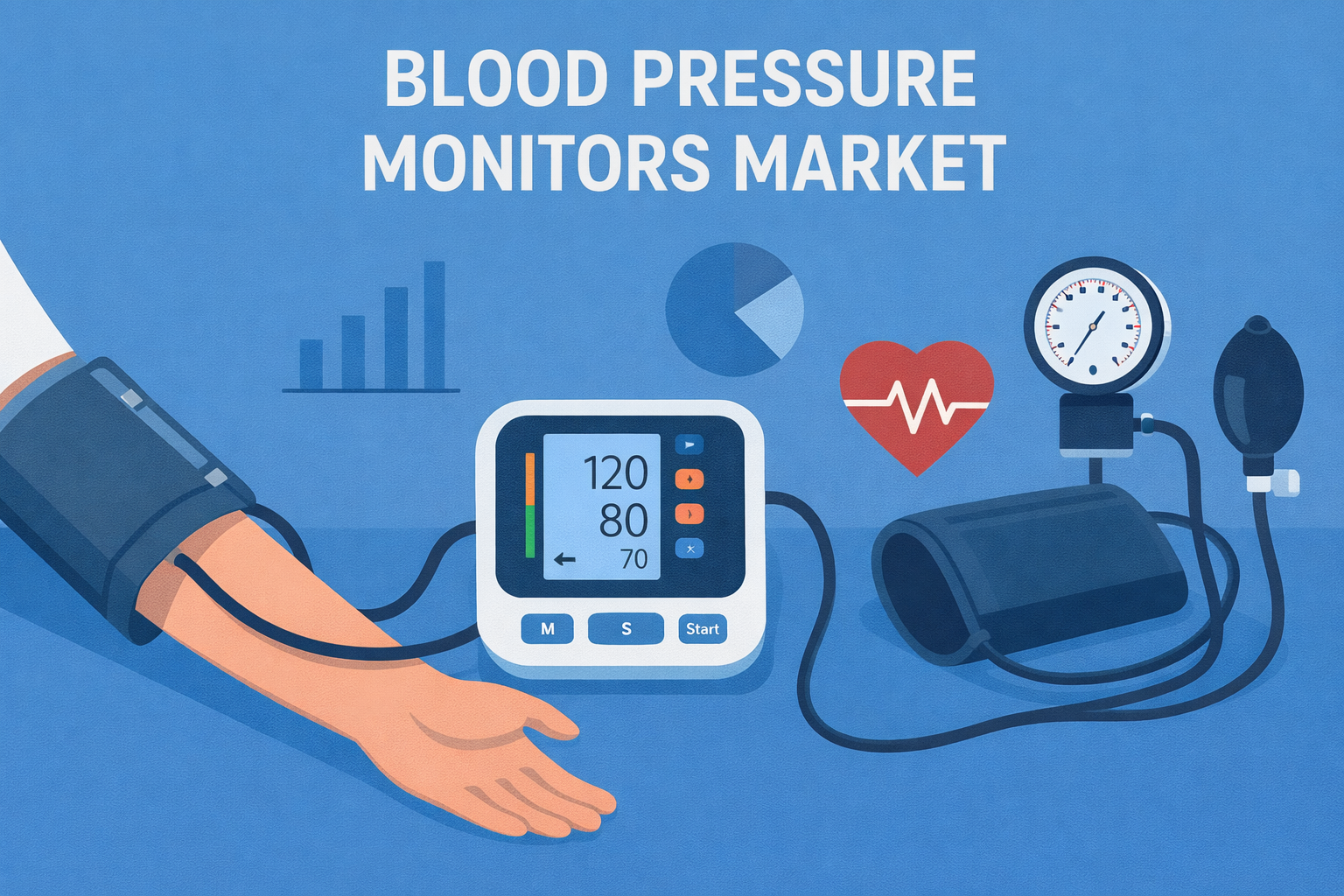
The global market for blood pressure monitors, once dominated by simple, cuff-based devices for clinical use, is undergoing a radical transformation. Fueled by technological convergence, heightened consumer health awareness, and strategic corporate maneuvering, the sector is not just growing—it is evolving at a breakneck pace. A surge in mergers and acquisitions (M&A) among top players is reshaping the competitive landscape, while relentless innovation in digital health and remote patient monitoring (RPM) is creating a new paradigm for cardiovascular care.
According to SNS Insider, The Blood Pressure Monitors Market size was valued at USD 1.81 Billion in 2023 and is estimated to grow to USD 4.28 Billion by 2032 with a growing CAGR of 10.04% over the forecast period of 2024-2032. This projected near-tripling of market value underscores a fundamental shift: blood pressure monitoring is moving from episodic checks to continuous, connected, and data-driven health management.
The Catalysts: Hypertension Pandemic and Digital Revolution
The stark statistics of global hypertension provide the essential backdrop. The World Health Organization estimates that 1.3 billion people worldwide suffer from high blood pressure, a leading risk factor for stroke, heart attack, and kidney failure. However, nearly half are unaware of their condition. This “silent killer” epidemic has prompted public health initiatives and increased individual vigilance, directly driving demand for accessible monitoring tools.
Simultaneously, the digital health revolution has redefined the product. Today’s leading devices are not mere measurement tools; they are sophisticated health hubs. Bluetooth and Wi-Fi connectivity sync readings with smartphone apps, enabling long-term trend analysis. Advanced photoplethysmography (PPG) technology allows for cuff-less, continuous monitoring in smartwatches and wristbands. Integration with broader telehealth platforms enables real-time data sharing with healthcare providers, making RPM a cornerstone of chronic disease management, especially in aging populations.
Top Players Engage in Strategic Chessboard: The M&A Frenzy
This high-stakes, high-growth environment has triggered a wave of consolidation as top players race to acquire technology, expand market share, and build comprehensive ecosystem offerings. The competitive landscape, long featuring established medical device giants, is now a battleground involving consumer electronics behemoths and agile digital health startups.
The recent M&A activity tells a compelling story:
- Strategic Consolidation: Traditional medical device leaders like Omron Healthcare, GE Healthcare, and Philips are actively acquiring smaller tech-focused firms to bolt-on digital capabilities and AI-powered analytics to their trusted hardware.
- The Tech Titan Entry: Companies like Apple and Samsung have moved aggressively into the space, embedding FDA-cleared BP monitoring features into their smartwatches. Their strategy is not to sell standalone monitors but to make cardiovascular health a core, sticky feature of their consumer ecosystems, leveraging vast existing user bases.
- Vertical Integration: Major deals have seen diagnostic companies acquiring software and service platforms to offer end-to-end solutions to healthcare providers. For instance, the acquisition of RPM software companies by larger med-tech firms aims to create seamless workflow integration from patient home to clinician dashboard.
An industry analyst, commenting on the trend, noted, “The M&A wave is a clear indicator that the future lies not in the device alone, but in the data it generates and the actionable insights derived from it. Companies are buying market access, technological IP, and data analytics prowess in a single transaction.”
Innovation Frontier: Beyond the Cuff
The innovation pipeline is overflowing, focusing on accuracy, convenience, and proactive care:
- Wearable Continuous Monitoring: The holy grail remains clinically accurate, non-invasive, continuous monitoring. Startups and giants alike are refining PPG and new sensor technologies to achieve this, moving towards 24/7 pressure tracking that can detect nocturnal hypertension and morning surges.
- AI-Powered Predictive Analytics: Advanced algorithms are being deployed not just to track, but to predict. By analyzing BP trends alongside data from other sensors (activity, sleep, heart rate variability), AI models aim to provide early warnings of potential hypertensive events or medication inefficacy.
- Integrated Telehealth Platforms: Standalone apps are giving way to fully integrated platforms. Next-generation monitors ship with direct access to virtual consultations, digital coaching for lifestyle modification, and automated medication reminders, creating a闭环 (closed-loop) management system.
Challenges and the Road Ahead
Despite the bullish outlook, the market faces hurdles. Regulatory pathways for novel, algorithm-based devices require clarity. Data privacy and security concerns are paramount as sensitive health data flows through new channels. Furthermore, ensuring health equity—preventing a digital divide where only affluent or tech-savvy patients benefit—remains a critical challenge for healthcare systems and manufacturers.
Conclusion: A Market at a Tipping Point
The blood pressure monitors market is at a tipping point, transitioning from a peripheral medical device category to a central pillar of connected, preventive healthcare. The staggering growth forecast from USD 1.81 billion to USD 4.28 billion is a direct function of this transformation. The aggressive M&A activity among top players is a scramble to position for this future—a future where the winner may not be the company with the best cuff, but the one with the most compelling, data-rich, and clinically integrated health ecosystem. As innovation continues to blur the lines between consumer wellness and medical-grade care, one thing is certain: how we measure and manage blood pressure will never be the same again.