
Westchester County is an old place to live. Most of its houses and apartment buildings went up long before granite counters and porcelain tile became the default finishes.
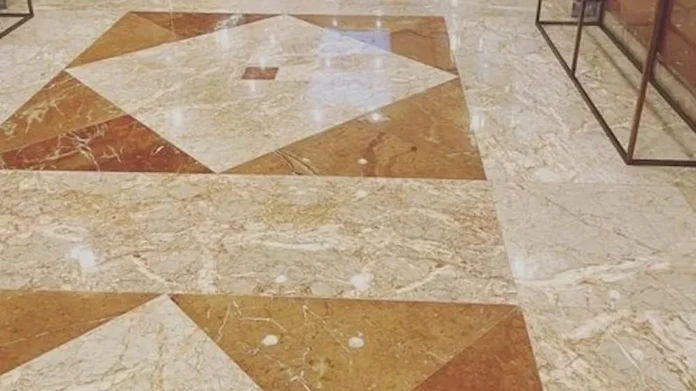
That age shows in the stone. Marble thresholds, bathroom vanities, foyer floors, and lobby entries in older buildings carry decades of wear, and every winter adds another layer of it.
Most of the County’s Housing Predates 1980
The numbers come from the Census Bureau’s American Community Survey. Its 2024 five-year estimates, covering 2020 through 2024, count about 394,000 housing units in Westchester County.

Westchester County housing units by the decade they were built.
The largest single group, 108,495 units, was built in 1939 or earlier. By our count of the survey’s figures, about 299,700 units, or roughly 76 percent, date from before 1980.
Only about 5 percent were built in 2010 or later. The survey puts the county’s median year built at 1959.
Older homes are not all marble homes, and the survey does not track finishes. But a house or apartment building that has stood for 60 or 90 years may still have its original stone, and that stone has been cleaned, walked on, and spilled on for a very long time.
Why Marble Dulls in Spots
Marble wears differently from most hard surfaces, and the reason is chemistry. The U.S. Geological Survey describes marble as limestone that has been heated and squeezed until its grains recrystallize, leaving a stone made of interlocking crystals of calcite.
Calcite reacts with acid. The same USGS material on acid rain notes that when acids in polluted air meet the calcite in marble and limestone, the calcite dissolves.
Indoors, the acids are more ordinary. The Natural Stone Institute’s stone care guidance groups stones made mainly of calcium carbonate as calcareous and says they are sensitive to acidic solutions. It warns that products containing lemon, vinegar, or other acids may dull or etch them.
Siliceous stones such as granite behave differently. The institute says they are generally resistant to most acids found in a kitchen, though it still advises against acidic cleaners.
Etching and Staining Are Different Problems
Owners often call every mark on marble a stain. The stone care guidance separates the two.
An etch mark is caused by acid left on the surface. It eats away the polish and leaves a dull spot where the acid sat. A stain is something absorbed into the stone, such as oil, which darkens it, or coffee, tea, wine, or fruit, which can leave a pinkish-brown mark.
Some spills do both. The institute notes that some materials etch the finish without staining, while others etch and stain at once. Wine and citrus juice on a marble vanity can leave a dull ring and a colored mark on the same patch of stone.
The difference matters for repair. A stain may be drawn out of the stone with a poultice, while an etch mark is physical damage to the surface that has to be polished out.
Winter Adds Grit at the Door
Westchester winters bring a second kind of wear. NOAA’s U.S. Climate Normals for the Dobbs Ferry-Ardsley station in southern Westchester put average snowfall at 32.7 inches a year for 1991 to 2020.

Average snowfall by month in southern Westchester.
February is the snowiest month, at 10.9 inches, followed by January at 9.4. December through February accounts for 25.9 inches, close to four-fifths of the yearly total by our arithmetic.
The same station averages about 15 days a year with at least a tenth of an inch of snow and about 109 days when the low drops to 32 degrees or colder. NOAA flags this station’s snowfall figures as provisional, so they are best read as a close estimate.
What reaches the floor on those days is mostly grit. Sand, dirt, and whatever is spread on walks and steps come in on boots. The Natural Stone Institute calls sand, dirt, and grit abrasive and says they can damage natural stone, which is why a marble foyer often dulls first along the path from the door.
Simple Habits That Protect Marble
Most of the damage on marble comes from small, repeated things. A few habits slow it down:
- Put mats or rugs both inside and outside entrances, with slip-resistant backing.
- Dust mop stone floors regularly, especially through the winter months.
- Blot spills with a paper towel instead of wiping, then rinse with water and mild soap.
- Clean with a neutral cleaner, stone soap, or mild dish detergent and warm water.
- Keep vinegar, lemon, and acidic bathroom or kitchen cleaners off marble.
- Skip scouring powders and creams, which can scratch some stones.
- Use coasters under glasses, particularly anything with alcohol or citrus juice.
Sealing helps with stains but not etching. The institute says sealing does not make stone stainproof. It makes it more resistant to staining, which buys time to clean up a spill.
Restoring Worn Marble in Westchester
When a floor or counter is already dull, scratched, or etched, the usual remedy is honing and polishing rather than replacement. Honing removes a thin layer of the stone to take out scratches and etch marks, and polishing brings back the finish.
In Mount Vernon, Metal Man Restoration is one company that offers marble restoration in Westchester. Its stone page says it restores and polishes marble, granite, terrazzo and travertine floors, lobbies, countertops and vanities across Mount Vernon and Westchester County. The company describes honing marble flat, then polishing it while removing scratches, dull spots, chips, cracks, and acid etching, and it matches chips with color-matched portland cement or epoxy resin. It says etching from cleaners, wine, or citrus is polished out rather than covered, and that it seals the stone when the work is done.
Old Stone in an Old County
Westchester’s housing is not getting younger. With most homes built before 1980 and only a sliver built since 2010, much of the county’s marble will keep aging in place.
Knowing the difference between an etch mark and a stain, and keeping acids and grit off the surface, goes a long way toward keeping that stone looking the way it was meant to.


