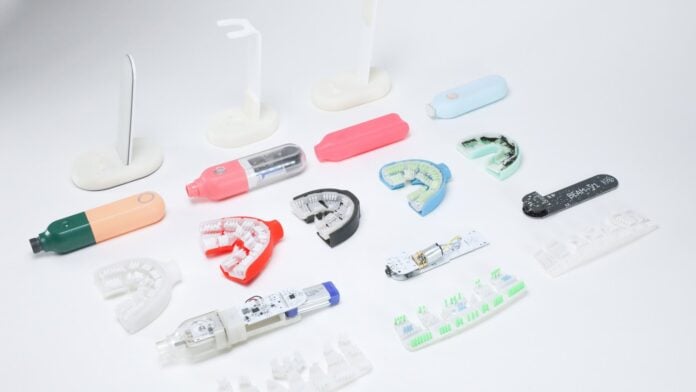

When a founder says they have a prototype, an investor has to ask which kind. It might be a cosmetic shell that shows what the product looks like. It might be a tangle of wires on a desk that proves the technology works. Rarely is it both.
Tomorrow Lab®, a product design and engineering studio in Brooklyn, New York, addresses that confusion with a numbered system. Each prototype tier is delivered at a set point in the studio’s twelve-phase process, and each answers a different question.
Tier 0: the cosmetic model
The first is a looks-like model, delivered at the end of the studio’s first stage. It does not work. Its job is to settle design direction, to be held in the hand, and to appear in pitch decks. Testing at this tier is about ergonomics, appearance and informal feedback from potential users.
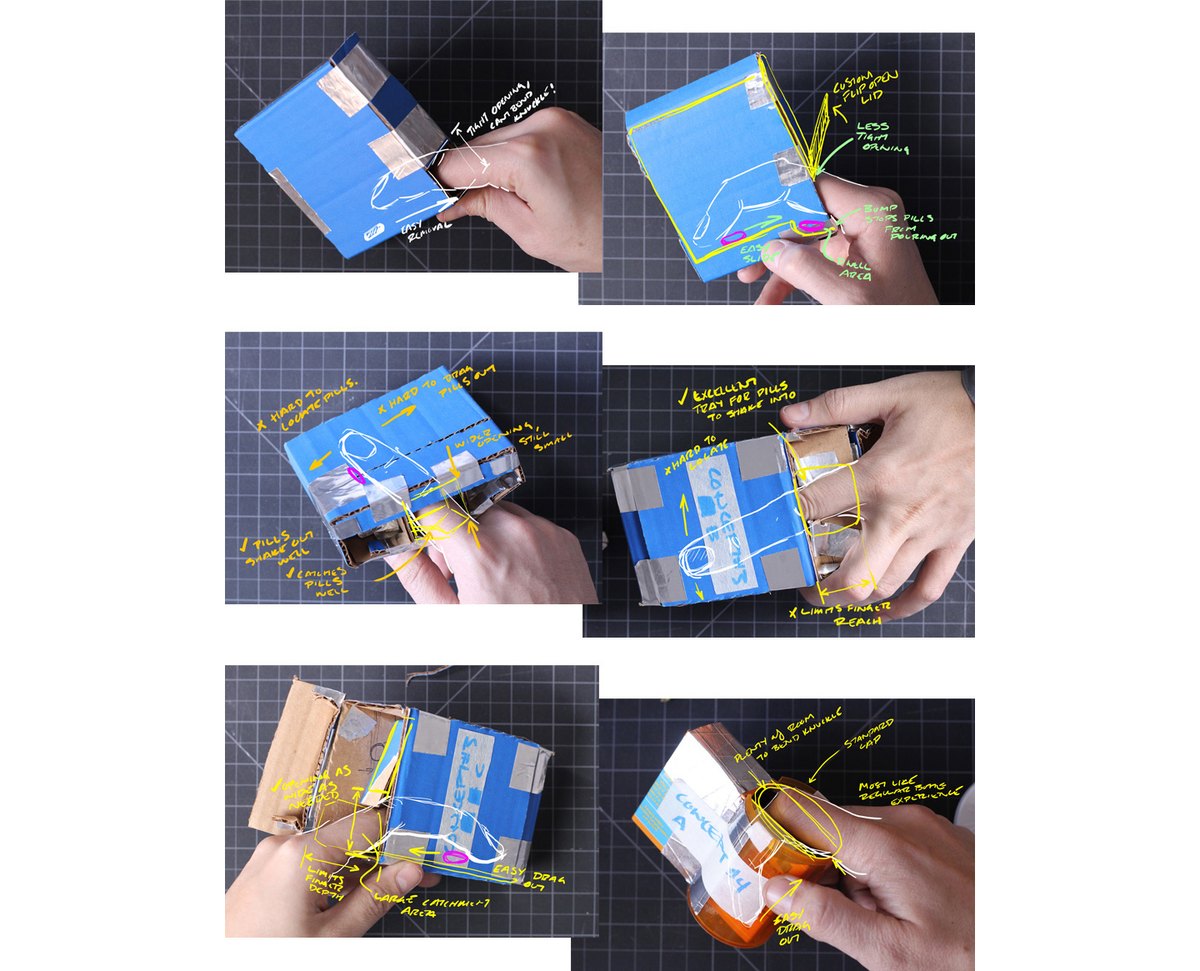
Early versions can be very simple. For AdhereTech’s connected pill bottle, the studio’s work began with ergonomic mockups made from cardboard.
Tier 1: the benchtop demonstrator
The second is a works-like prototype, built from off-the-shelf parts to prove each sub-system. It might look nothing like the finished product. Testing here is technology validation: circuit tests, fragility tests, and checks that the core idea actually functions.
Tier 2: the functional device
At Tier 2 every feature is integrated into a single device. It is not yet manufacturable, but it can be used. Testing moves to product validation, including connectivity and environmental tests.
Tier 3: factory produced
The final tier is designed for manufacture, with tooling for a pilot run. Testing becomes use-case validation, putting the device through real use and durability trials.
Why the numbers matter
Ted Ullrich, co-founder and partner at the studio, has described the slow way good ideas come into focus:
“The sense that we landed on something genius is more of a gradual unfolding process.”
The tier system turns that gradual process into something a client can plan around. SymplBrush, an all-teeth toothbrush the studio worked on from 2018, went through at least five design rounds before production, according to its founder’s review of the project. Each round could be tested at the tier it had reached, rather than judged against a finished product it was never meant to be.
Tomorrow Lab is a technology innovation studio based in Brooklyn, New York, that invents, prototypes and develops new hardware products. More information is available at tomorrow-lab.com.


