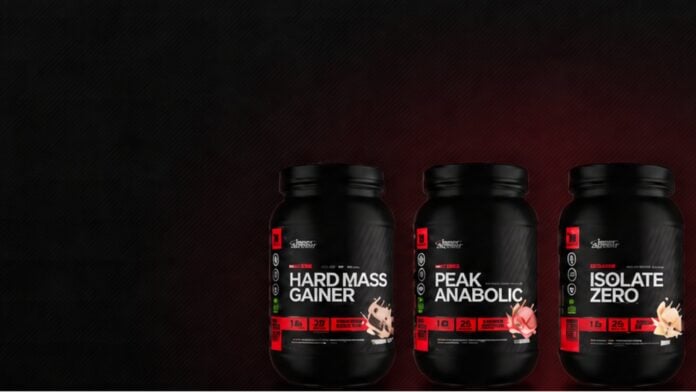

Look closely at the supplement aisle and many of the brands share a secret: someone else makes their products. Contract manufacturing is the industry norm, and it lets a brand launch with nothing more than a recipe and a marketing budget.
Inner Armour, a sports nutrition company in Kelowna, British Columbia, made a different bet. Its products are formulated, produced and packaged in its own certified GMP facility. And that facility also manufactures for select other sports nutrition brands.
What owning the plant changes
Good Manufacturing Practice, or GMP, is the quality system that governs how supplements are made: documented processes, controlled ingredients, cleaning protocols, batch records and testing. A brand that owns a certified GMP facility controls that system directly, rather than auditing someone else’s.
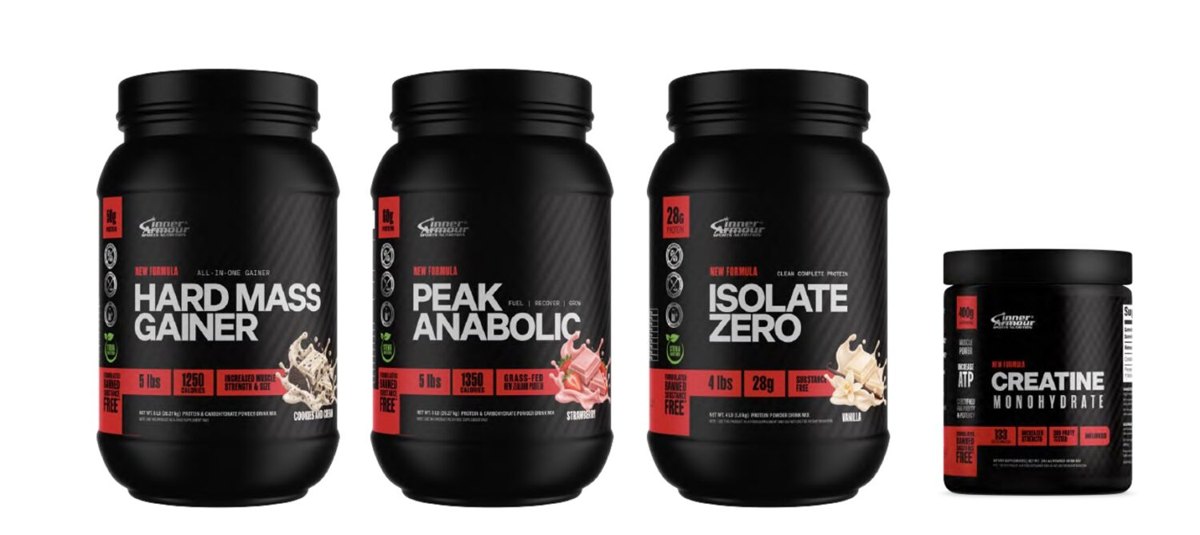
For Inner Armour, control has had practical results. The company was able to reformulate its two core proteins, Whey Protein Matrix and Isolate Zero, to replace sucralose with stevia, and to move every product into new packaging for its October 1, 2026 relaunch, without waiting in a contract manufacturer’s queue.
The second business inside the first
Making products for other brands spreads the cost of the plant across more volume. It also builds a reputation that customers can see from the outside. A facility trusted to make competitors’ products is a reasonable signal about the quality of the house brand.
The setup suits the company’s push into organised sport, too. Inner Armour is pursuing NSF Certified for Sport certification for selected products, a program that includes facility audits, and is working toward partnerships with NCAA Division I and Division III programs. Owning the line that auditors inspect is a clear advantage.
The people side
Chief executive Kevin McIsaac, who has worked on the ownership side of sports nutrition since starting with Prolab in Canada in 1996, ties the factory to the company’s values. Investments in automation have allowed Inner Armour to pay its team a living wage and invest more in training.
The model has trade-offs. A plant is a fixed cost that has to stay busy, and it ties up capital that a pure marketing brand could spend on advertising. But for a company that wants to make claims about purity and banned-substance-free products, owning the production line means it can stand behind those claims itself.
Inner Armour’s products are sold at innerarmour.com, on Amazon and through U.S. retailers including Vegas Discount Nutrition.


