
Direct-to-consumer brands learned long ago that the unboxing matters. Mattress companies, meal kits and skincare startups all design the moment a customer opens the box. Telehealth companies have had a harder time, because the product inside is a prescription, and the pharmacy that ships it controls the packaging.
For most online health brands, the patient’s only physical experience of the company is a pharmacy label and a plain mailer. Everything else, the app, the clinician, the follow-up messages, carries the brand. The delivery often does not.
A bag, not a label
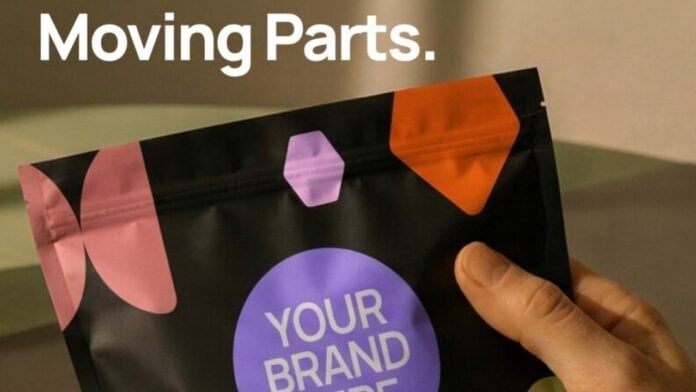
In October 2026, Precision Medicine, a 503A pharmacy in Bellmore, New York, launched custom-printed transport bags for its telehealth partners. The bags come in two sizes, 8 by 7 by 4 inches and 12 by 11 by 4 inches, with a matte finish and a secure closure. Partners choose a size, send a logo and slogan, and the pharmacy prints them in-house, with no separate packaging order or third-party printer to wait on.
The design respects a line pharmacy regulation draws carefully. The bag is secondary packaging. It never touches the medication. The vial, pump or dram the drug is dispensed in remains the primary container, with its required pharmacy label. Each bag sits inside an insulated shipper that keeps medication cold in transit, and the whole package ships inside a discreet mailer.
Why it matters to the brands
Telehealth companies compete on trust. A patient who receives a well-presented package from a recognizable brand is more likely to feel the service is legitimate and to stay with it. Precision Medicine’s own pitch for the product is “More Brand Presence. Fewer Moving Parts.”
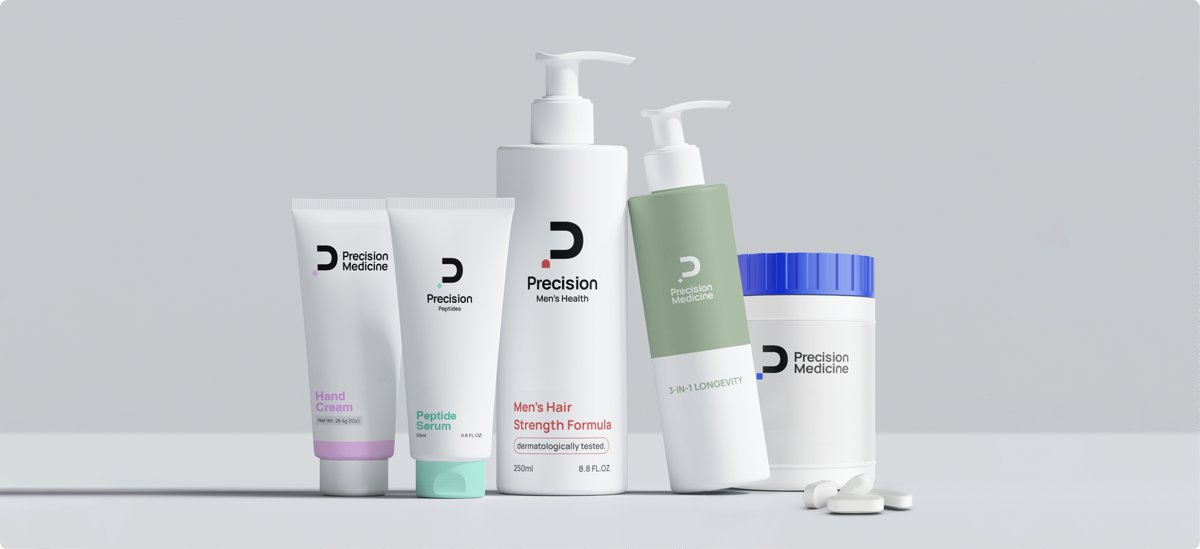
The bags extend a white-label service the pharmacy already runs. It prints custom inserts and marketing materials, kits orders and stores partner inventory, while remaining the pharmacy of record. The company describes itself to partners as “your reliable behind-the-scenes partner.”
The patient’s view
Branding should never hide who filled the prescription. A patient can still find the pharmacy’s name on the medication label and check that it is licensed in their state. Precision Medicine says it holds licenses in 49 states and is accredited by NABP.
Good packaging will not make a poor service good. For a telehealth brand already doing the clinical work well, though, the doorstep is one more chance to show it.


