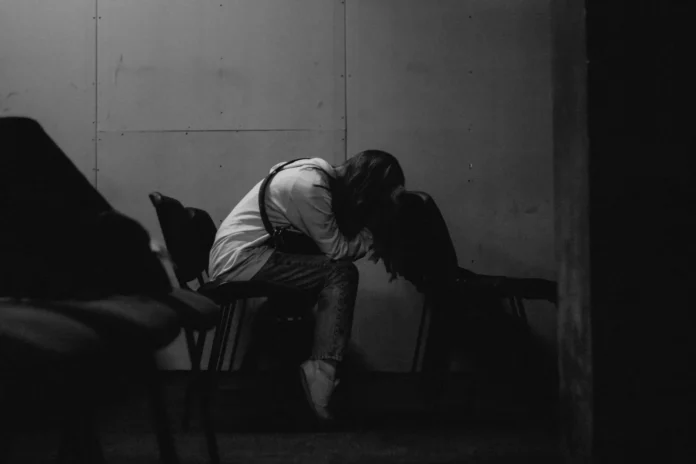

Photo By: Tymofii Tarasov
Everyone experiences difficult emotions, but for someone living with Borderline Personality Disorder, those feelings can sometimes become overwhelming. Understanding the difference between everyday emotional distress and a BPD crisis can help us recognise when someone may need additional support.
We all have difficult days. An argument with a loved one, a relationship breakdown, work pressure or unexpected bad news can leave us feeling anxious, upset, angry or emotionally drained. These feelings are a normal part of life, and most people experience them at some point.
However, for someone living with BPD, emotional distress can sometimes feel much more intense and difficult to manage. What might seem like a small setback to someone else can trigger overwhelming feelings of rejection, fear or abandonment. While general distress and a BPD crisis can look similar from the outside, the way someone experiences these emotions can be very different.
Understanding general emotional distress
General emotional distress is a natural response to difficult or upsetting situations. Someone might feel overwhelmed after an argument, struggle with anxiety before an important event or experience sadness following a loss. They may cry, become frustrated, withdraw from others or find it difficult to concentrate.
Although these feelings can be uncomfortable, they often become easier to manage with time, rest and support. As the situation changes or the person begins to process what has happened, their emotions may gradually settle.
This does not mean general distress is always mild or easy to deal with. Anyone can experience intense emotional pain, regardless of whether they have a mental health diagnosis. Sometimes, professional support is needed to help someone through a particularly difficult period.
What happens during a BPD crisis?
For someone with Borderline Personality Disorder, emotions can feel incredibly intense. Feelings may change quickly, and it can be difficult to calm down once something has triggered an emotional reaction.
A BPD crisis can happen when these emotions become so overwhelming that the person struggles to cope. A situation involving rejection, conflict or uncertainty in a relationship may bring up deep fears of being abandoned or unwanted.
Dr. Jesse Viner, MD, CEO and Chief Medical Officer of Yellowbrick, explains that the difference goes beyond simply feeling more upset than usual.
“While typical young adult distress includes sadness or frustration, a BPD emotional storm involves rapid, agonizing shifts into terror, rage, or despair. The distress is agonizingly painful, deeply personal, and usually triggered by a perceived threat of abandonment or rejection. The individual with BPD is overwhelmed and feels forced to take impulsive actions in an effort to both relieve and express their distress.”
His explanation highlights just how consuming a BPD crisis can feel for the person experiencing it. What may begin as a seemingly ordinary situation can quickly develop into an emotional experience that feels impossible to control.
For example, a friend cancelling plans or not replying to a message might cause someone with BPD to worry that the relationship is falling apart. These thoughts can quickly develop into feelings of panic, sadness, anger or hopelessness.
During a crisis, someone may struggle to control their emotions, feel worthless or experience intense shame. Some people may withdraw from others, act impulsively or experience thoughts of self-harm or suicide. Others may feel disconnected from themselves or the world around them.
Not everyone with BPD experiences a crisis in the same way. Some people express their distress openly, while others keep their feelings hidden.
Why can the same situation feel so different?
One of the biggest differences between general distress and a BPD crisis is how someone processes and manages their emotions.
For someone with BPD, that same experience might trigger a much deeper emotional response. They may begin to question whether their friend still likes them or whether they have done something wrong. What started as a cancelled plan can quickly become a painful experience involving rejection and abandonment.
This is known as emotional dysregulation. It means finding it difficult to manage strong emotions or return to feeling calm after becoming upset. It is an important feature of BPD and can make everyday situations particularly challenging.
Knowing when someone needs support
Supporting someone during a BPD crisis starts with understanding rather than judgement. Dismissing their feelings, telling them they are overreacting or expecting them to calm down immediately can make an already difficult experience worse.
Instead, listening without judgement, offering reassurance and communicating calmly can help someone feel less alone. Grounding techniques and breathing exercises may also help them manage overwhelming emotions. Professional support is important too, particularly if someone regularly experiences emotional crises.
It is also important to recognise when a crisis becomes an emergency. If someone expresses suicidal intentions, seriously harms themselves or cannot keep themselves safe, urgent professional help is needed. In the United States, people can call or text 988 for the Suicide & Crisis Lifeline. If there is immediate danger, call 911.
Ultimately, the difference between general distress and a BPD crisis is not simply how upset someone appears. It is about how intensely they experience their emotions, how difficult those emotions are to manage and how much they affect their ability to cope.
Having BPD does not mean someone is always in crisis. With the right treatment, understanding and support, people with BPD can learn to manage their emotions and lead fulfilling lives.
Sometimes, what looks like an ordinary difficult day to one person can feel completely overwhelming to someone else. Recognising that difference is an important first step towards greater understanding and compassion.


