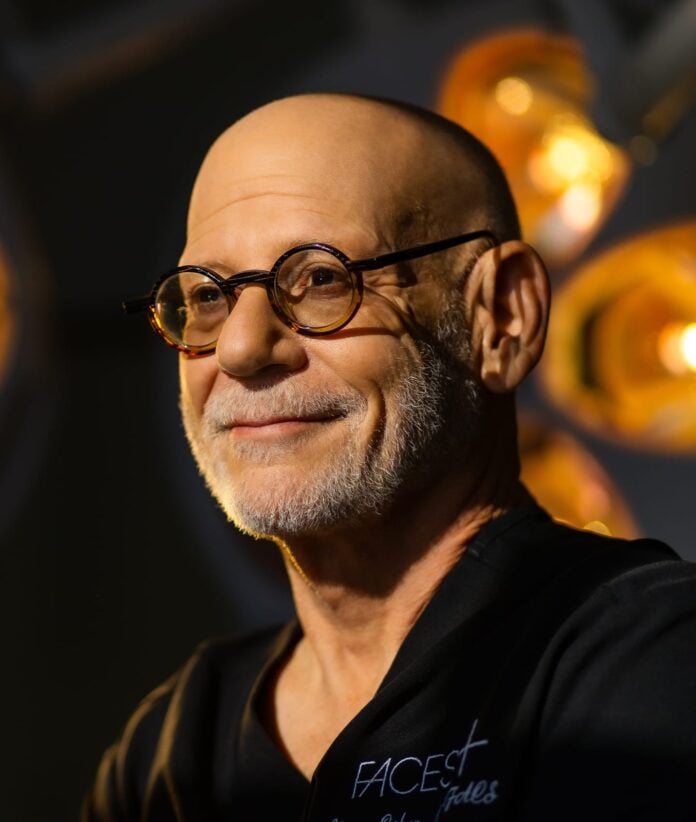

At TEDxClemsonU on September 26, 2026, San Diego facial plastic surgeon Dr. Steven R. Cohen took on a broad question: why does creativity sit underneath breakthroughs in laboratories, studios and operating rooms alike? He was not speaking about any of those rooms from the outside.
The talk, “How Creativity Can Save Your Life”, is available to watch on the TEDx Talks YouTube channel.
The laboratory
Dr. Cohen’s research life began early, with a two-year fellowship at the National Institutes of Health after his general surgery training at Columbia Presbyterian. It has continued for decades. He has authored more than 170 scientific publications and now serves as section editor for Fat Grafting and Stem Cells at the Aesthetic Surgery Journal.
His recent research treats fat as a living, regenerative tissue rather than inert filler. That hypothesis led to the Lipocube processing system and the ITR² injectable tissue replacement technique, and to the Tiffany award for best scientific presentation at the American Society for Aesthetic Plastic Surgery’s 2017 meeting.
In the lab, creativity looks like a hypothesis no one has tested yet.
The studio
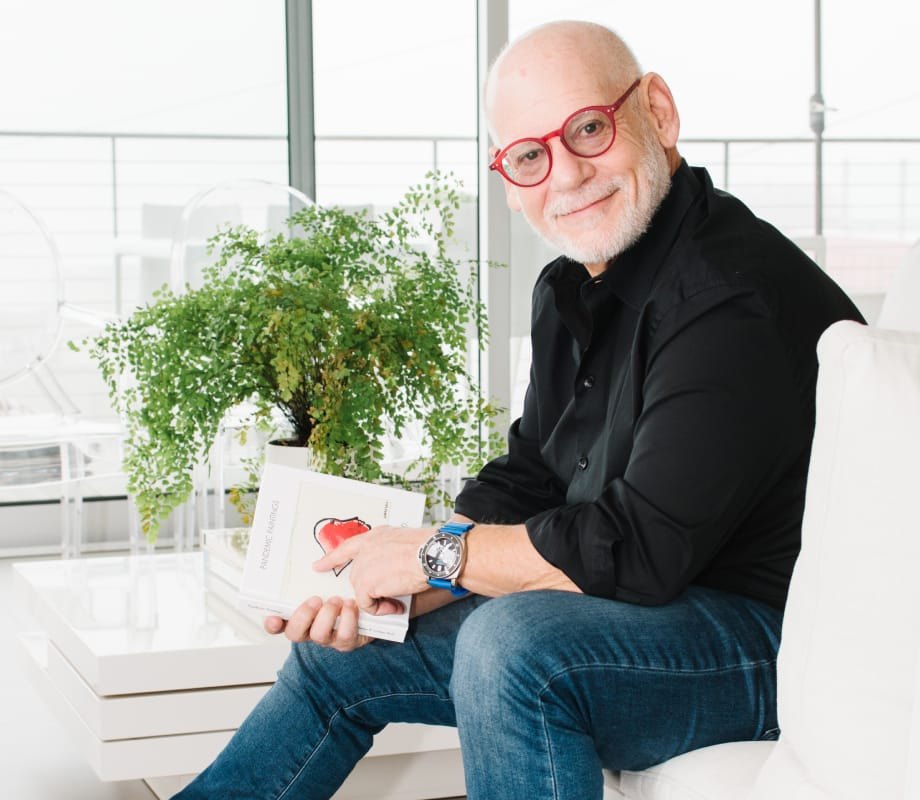
Dr. Cohen is also a working painter, with paintings in private collections across the United States. He has said the creative process he uses as an artist is the one he uses as a surgeon, and that art taught him balance while science taught him patience.
In the studio, creativity looks like letting something unplanned happen on the canvas. He has described his own approach as staying open-minded and, in his words, “in some ways childlike.”
The operating room
His surgical career began in pediatric craniofacial reconstruction, where he invented the MID system, the first commercially distributed internal distraction device, and became the first surgeon in the world to treat newborns with Pierre Robin syndrome using distraction. Today, at FACES+ in San Diego, he brings the same approach to facial rejuvenation.
In the operating room, creativity looks like seeing a different answer to a problem everyone has accepted, and then doing the slow work of proving it safe.
One instinct
The argument tying the talk together was that these are not three kinds of creativity. They are one capacity applied in three settings. The surgeon imagining a new device and the painter imagining a new composition are doing the same thing at the start. Only the materials change.
That idea fit the TEDxClemsonU 2026 theme of firsts, and it carried a practical message for the students in the room. Whatever field they enter, the instinct to imagine something new is the source of progress there.
Dr. Cohen is the founder of FACES+, a facial plastic surgery and regenerative medicine practice in San Diego.


