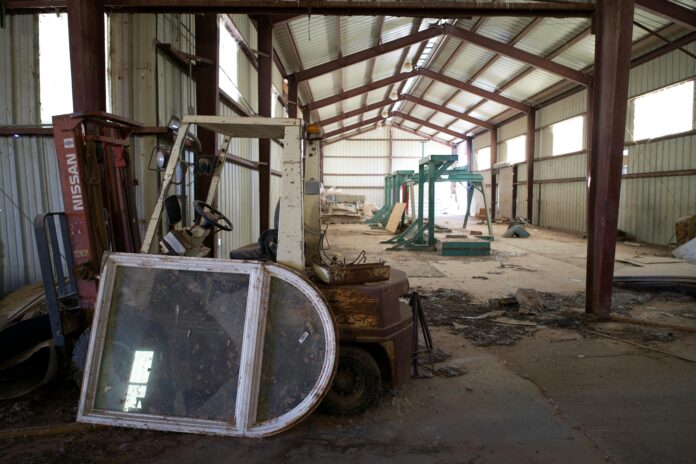

Warehouse junk removal services are essential when businesses experience seasonal inventory surges. Seasonal overstock—from holiday merchandise to limited‑time product launches—often creates temporary clutter zones within industrial storage facilities. If left unmanaged, excess items such as obsolete pallets, damaged packaging, empty crates, and expired product runs accumulate, reducing usable space, slowing workflows, and increasing safety risks. Clearing this clutter at the end of a season helps restore operational flow, optimize storage capacity, and protect employees, machinery, and goods.
Warehouse junk removal services provide a tailored solution when seasonal overstock clears out. These professional services coordinate the removal of surplus inventory, broken materials, and general debris that retailers and distributors no longer need. During busy seasons like Black Friday prep or holiday fulfillment peaks, warehouses often lack the manpower or time to clear space efficiently. After the season ends, teams must sort through leftover stock and discard packaging and obsolete goods quickly. Junk removal specialists streamline that process, handling heavy lifting, sorting, hauling, and proper disposal or recycling.
Why Seasonal Overstock Demands Dedicated Junk Removal
- Rapid space reclamation: Once seasonal sales end, overstock items—like packaging materials, promotional displays, and unsalable goods—take up valuable floor space that could be used for incoming inventory. Removing these items promptly clears room for restocking and reorganizing.
- Safety and compliance: Excess debris from pallets, loose plastic, or discarded cardboard poses tripping, fire, and obstruction hazards. Professional removal reduces risk and helps maintain compliance with OSHA and insurance standards.
- Operational efficiency: An orderly environment enables faster receiving, picking, and shipping cycles. According to recent industry reporting, clearing out junk “plays a crucial role in keeping business operations running smoothly,” significantly improving productivity and minimizing disruption.
- Inventory control and accuracy: Seasonal stock can blur lines between active and inactive inventory. Junk removal services aid in clearly separating saleable stock from waste, enabling more accurate inventory audits and less risk of mispicks.
- Cost and resource savings: Removing clutter often avoids renting overflow storage or expanding beyond existing warehouse footprint. It also prevents damage to equipment or perishable goods that may be stored improperly.
What to Expect from Warehouse Junk Removal Services
- Assessment & planning: Specialists survey the warehouse, identify surplus items, and develop a removal plan that often includes sorting for recycling, donation, or landfill disposal.
- Heavy‑lift expertise: Workers are trained to safely handle bulky or heavy overstock remnants—like metal racks, pallets, or machinery parts.
- Eco‑friendly disposal: Many companies offer recycling or donation routes for materials like cardboard, pallets, and electronics.
- Flexible scheduling: Services can be booked immediately after seasonal peaks, minimizing disruption to operations.
- Transparent pricing: Many providers give volume‑based estimates with no hidden fees, and flexible minimums that fit both large cleanouts and smaller zone‑by‑zone removal plans.
Choosing the Right Provider
- Track record in warehouse environments: Look for firms experienced with industrial-scale cleanouts rather than residential junk removal.
- Sustainability focus: Prioritize companies that recycle or donate materials whenever possible.
- Compliance knowledge: Ensure the provider understands local disposal regulations and safety protocols.
- Fast turnaround options: Seasonal seasonality means timing is tight—choose a provider with rapid Mobilization and flexible scheduling.
- Clear scope documentation: A detailed inventory of what will be removed—and what stays—is critical to avoid misunderstandings.
Preparing Your Warehouse for Seasonal Junk Removal
- Pre‑sorting within your team: Before the crew arrives, identify waste piles and zones that will require removal.
- Label active inventory: Use visual tags or designated staging areas to separate active stock from surplus or damaged goods.
- Communicate the schedule: Coordinate with operations, receiving, and shipping teams to ensure access and minimal interruption.
- Plan for recycling and donation: Flag materials such as cardboard, skids, or retail displays for reuse channels.
Follow‑up inspection: After cleanout, walk the warehouse with management to confirm all zones are cleared and organized.
Also, read about 3 skills you likely need as an entrepreneur.


