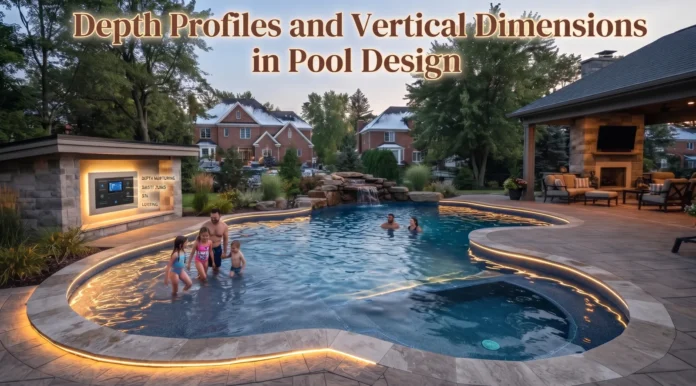

Designing an inground swimming pool involves much more than choosing its shape, finish, or surrounding patio. One of the most important decisions homeowners make is determining how deep the pool should be. Pool depth affects safety, comfort, maintenance, construction expenses, and the types of activities the pool can accommodate. A well-planned depth profile can make a backyard pool more practical for everyday swimming while supporting the family’s long-term needs.
In Buffalo, New York, homeowners must also consider the local climate, seasonal swimming habits, and the impact of winter weather on pool construction and surrounding features. A pool designed primarily for relaxing and cooling off may have very different requirements from one intended for lap swimming, aquatic exercise, or recreational games.
Understanding the relationship between depth, pool dimensions, and intended use helps homeowners make informed decisions before construction begins. Working with experienced professionals also makes it easier to evaluate how the proposed design will affect installation, circulation, safety features, and future maintenance.
This guide explores the main considerations involved in pool depth design, explains common depth configurations, and discusses how homeowners can plan a pool that fits their property and lifestyle.
Why Pool Depth Matters More Than You Might Think
Pool depth influences how people use a swimming pool every day. A shallow area can provide a comfortable place for children and adults to stand, socialize, or relax in the water. Deeper sections may offer more flexibility for certain swimming activities, although they also introduce additional safety considerations and may increase construction requirements.
The ideal depth depends on who will use the pool and what activities matter most. A household that primarily wants a place to cool off during summer may not need the same configuration as a family that regularly swims laps or hosts recreational pool games.
Depth also affects the amount of water the pool holds. A deeper pool generally requires more water, which can influence initial filling expenses, heating costs, chemical requirements, and circulation needs. The pool’s shape and total surface area also matter, so depth should never be evaluated in isolation.
Before finalizing a design, homeowners should consider several questions:
- Will the pool primarily be used for relaxation, exercise, or recreation?
- Will children or inexperienced swimmers use it regularly?
- Is a shallow lounging area important?
- Does anyone expect to use the pool for diving?
- How much space is available in the backyard?
- What are the property’s grading, drainage, and soil conditions?
- How will the pool be maintained and winterized?
Answering these questions early helps create a design that serves practical needs instead of relying on appearance alone.
1. Understanding Common Swimming Pool Depth Configurations
There is no single depth profile that works for every backyard. Different configurations support different activities, and each comes with advantages and limitations.
Shallow Pools for Relaxation
A pool with a relatively shallow, consistent depth can work well for homeowners who prioritize lounging, casual swimming, and spending time with family. It may also make it easier for adults to stand comfortably in designated areas.
Shallower water can be appealing for social gatherings because more of the pool may be usable for standing and conversation. However, homeowners should still evaluate the needs of children, accessibility requirements, and the amount of space required for swimming.
A shallow pool is not automatically safer in every circumstance. Slips, falls, collisions, and accidental submersion can occur in water of any depth. Appropriate barriers, supervision, and other safety measures remain essential.
Pools with a Gradual Slope
A sloped-bottom pool transitions from a shallow area to a deeper section. This configuration can accommodate different activities within one structure, making it a popular option for households with varied preferences.
For example, a family might want a shallow section for relaxing and a deeper area for more active swimming. A gradual slope can create a transition between these spaces without requiring an abrupt change in floor elevation.
The slope must be carefully designed. Changes in depth should be visible and predictable, and the layout should support safe movement through the pool. The finished design should also account for circulation, cleaning equipment, and the intended location of steps or benches.
Pools with a Defined Deep End
Some homeowners prefer a pool with a deeper section for particular recreational activities. However, a deep end is not necessary for every backyard pool and should not be included simply because it is traditional.
A deeper section increases the volume of water and may require additional excavation, structural work, and engineering. It can also affect heating efficiency and how easily the pool can be used by people who prefer standing in the water.
Any plans for diving require special attention. Diving is appropriate only in pools specifically designed and approved for that purpose, with the required depth, dimensions, clearances, and compliant diving equipment. A deep section by itself does not make a pool suitable for diving.
Homeowners should discuss the intended use with their design team before choosing a depth profile.
2. How Swimming Pool Contractors Buffalo NY Evaluate Depth Requirements
Choosing the right depth involves balancing personal preferences with practical construction considerations. Experienced swimming pool contractors buffalo ny homeowners consult can help assess the property’s conditions, intended activities, and local requirements before the final design is approved.
The process should begin with a conversation about how the pool will actually be used. A contractor may ask whether the homeowners want space for casual swimming, exercise, entertaining, children, or a combination of activities. These answers influence the recommended dimensions and depth transitions.
The available backyard space is another important consideration. A compact property may benefit from a straightforward pool design that maximizes usable swimming area without creating unnecessary excavation. Larger properties may offer greater flexibility, although additional space does not automatically mean a deeper pool is the better choice.
Contractors must also assess site conditions. Soil composition, groundwater, existing utilities, grading, and access for excavation equipment can affect the feasibility and cost of a proposed depth profile.
Other factors include:
- The location of pool steps, benches, and entry points
- The intended circulation and filtration system
- The type of pool structure and finish
- The relationship between pool depth and surrounding hardscape
- Applicable building, electrical, barrier, and safety requirements
- The practical needs of the people who will use the pool
A thorough evaluation helps homeowners understand why one configuration may be more suitable than another. It also allows the design team to identify potential challenges before excavation begins.
3. Matching Pool Depth to Your Family’s Lifestyle
The right pool should reflect how the household expects to use it over time. A design based only on current preferences may become less practical as children grow, family routines change, or homeowners begin using the pool for different activities.
Families with Young Children
For households with young children, a designated shallow area may be a priority. It can provide space for supervised water play and help adults remain close to children during swimming sessions.
However, shallow water should never be treated as a substitute for supervision. Children can drown in very shallow water, and depth alone does not determine whether a pool is safe. Secure barriers, self-closing and self-latching gates where required, appropriate alarms where applicable, and constant, attentive supervision are important parts of a comprehensive safety plan.
Homeowners should also consider entry points. Wide steps or a thoughtfully placed bench may make the pool more comfortable to enter and exit, provided the features are designed to reduce slipping and other hazards.
Adults Who Prefer Relaxation
Some homeowners primarily use their pool to unwind after work, entertain friends, or enjoy warm-weather weekends. In these cases, a shallow lounging area, integrated bench, or separate tanning ledge may provide more value than a large deep end.
A pool designed around relaxation can also be easier to integrate with outdoor living features such as a patio, seating area, landscaping, or outdoor kitchen.
The most effective design allocates space according to actual habits rather than adding features simply because they appear in other pools.
Households That Enjoy Exercise
Homeowners who plan to swim regularly for exercise should discuss the pool’s length, width, and depth as a combined design decision. Lap swimming depends heavily on the available length and the swimmer’s routine, while water-based exercise may benefit from a consistent depth that allows comfortable movement.
Some exercise activities are better suited to shallow or moderately deep water. Others may require more room, depending on the equipment and movements involved.
A contractor can help evaluate whether the planned dimensions support the intended routine, but homeowners should also consider the availability of accessories such as resistance systems or dedicated exercise equipment.
Families Who Host Pool Gatherings
For households that frequently entertain guests, a pool should offer enough space for people to move comfortably without overcrowding. The layout of shallow areas, entry steps, and deeper sections can influence how guests distribute themselves throughout the water.
A design with clearly defined activity zones may be more practical than a pool that prioritizes depth over usable space. Homeowners should also consider how the pool connects to seating, walkways, and other outdoor amenities.
4. How Pool Depth Affects Construction Costs
Depth has a direct relationship with excavation and the amount of material needed to construct the pool. As the depth increases, the project may require additional digging, structural materials, engineering, and work to manage soil and groundwater conditions.
The precise cost difference depends on the pool’s footprint, structural system, soil conditions, and construction method. A deeper pool may also affect the time required for excavation and installation, particularly if access to the backyard is limited.
Several cost categories can be influenced by depth.
Excavation and Soil Removal
Deeper pools require more excavation in the areas where the additional depth is planned. The cost of removing soil depends on the volume of material, access for machinery, hauling distance, and local disposal requirements.
Rock, unstable soil, groundwater, or nearby structures may create additional challenges. These conditions should be investigated before the final budget is established.
Structural Requirements
Pool walls and floors must be designed to withstand the forces associated with the surrounding soil and water. The engineering requirements depend on the pool’s construction type, dimensions, groundwater conditions, and other site-specific factors.
A deeper design may require adjustments to reinforcement, wall construction, or other structural components. These decisions should be based on professional engineering rather than general assumptions about pool depth.
Water Volume and Equipment
A deeper pool generally holds more water, which can affect filling costs, chemical treatment, and heating demand. The filtration and circulation system must be appropriately sized for the pool’s volume and configuration.
Equipment selection should account for the complete pool design, not just the deepest point. Efficient circulation, appropriate return locations, and suitable filtration are important for maintaining water quality.
Long-Term Operating Expenses
A larger water volume can require more energy to heat, depending on the heating system, desired temperature, pool cover, weather, and frequency of use. Chemical demand also depends on factors such as water volume, sunlight exposure, bather load, and maintenance practices.
Homeowners should compare the initial construction cost with the expected lifetime operating expenses. A design that is less expensive to build may also be easier to maintain if it avoids unnecessary depth and complexity.
5. Buffalo’s Climate and Its Influence on Pool Design
Buffalo’s climate makes seasonal planning an important part of backyard pool construction. Cold winters, freezing temperatures, and changing ground conditions can affect installation schedules, material selection, drainage planning, and winterization requirements.
Depth does not determine whether a pool can withstand winter weather. Proper engineering, construction quality, drainage, and adherence to the pool manufacturer’s or designer’s winterization recommendations are more important than simply making the pool deeper.
However, the depth profile can affect how certain components are installed and maintained. Plumbing lines, returns, drains, and other features must be designed according to the pool system and local conditions. Equipment placement should also allow for appropriate seasonal shutdown and protection.
Homeowners should discuss the following issues during planning:
- Soil and groundwater conditions around the proposed pool
- Surface drainage and water movement across the property
- The placement and protection of plumbing lines
- Appropriate materials for local environmental conditions
- Seasonal equipment shutdown and winterization procedures
- Access for maintenance and repairs
- The relationship between the pool and nearby retaining walls or structures
The surrounding landscape matters, too. Patios, decks, retaining walls, and planting beds should be designed to manage water effectively and avoid directing runoff toward the pool or nearby structures.
Planning for local conditions before excavation can help prevent expensive adjustments later. It also allows homeowners to understand how construction choices affect the pool’s long-term durability.
6. Designing a Pool That Balances Depth and Safety
Pool safety begins during the design stage. While depth is an important consideration, it is only one part of a system that includes barriers, entry and exit points, visibility, circulation, and supervision.
Homeowners should ensure that the pool design complies with applicable local and state requirements. Specific rules can vary according to the pool type, property, and associated equipment, so requirements should be confirmed with the relevant authorities and qualified professionals.
Make Depth Changes Easy to Recognize
Transitions between shallow and deep areas should be clearly understood by swimmers. The design team can consider visible floor transitions, suitable lighting, and other features that help users recognize different areas of the pool.
Children and inexperienced swimmers should be taught where the water becomes deeper and how to move safely through the pool.
Plan Safe Entry and Exit Points
Steps, ladders, and other entry features should be selected according to the pool’s configuration and intended users. A comfortable entry point can improve accessibility, but it must be properly installed and maintained.
Homeowners should also consider whether older adults or people with mobility limitations will use the pool. Certain accessibility features may need to be incorporated during construction rather than added later.
Use Appropriate Barriers
A secure barrier helps prevent unsupervised access to the pool. Gates, locks, alarms, and other safety features should be selected and installed in accordance with applicable requirements.
A pool cover can offer additional protection when the pool is not in use, but not all covers are safety covers. Homeowners should verify the specifications and limitations of any cover they purchase.
Avoid Assuming Deeper Means Safer for Recreation
A deep end may appear to offer more freedom for active swimming, but deeper water introduces additional risks and does not make every activity appropriate. Diving should take place only in a pool specifically designed and approved for diving.
For many families, a well-designed pool with sufficient swimming space and a practical shallow area provides more everyday value than a deeper configuration that is rarely used.
7. Common Pool Depth Design Mistakes to Avoid
A few decisions made early in the planning process can create unnecessary expenses or reduce the pool’s usefulness. Recognizing common mistakes helps homeowners focus on the features that matter most.
Choosing Depth Based on Appearance Alone
Homeowners sometimes choose a deep end because it looks impressive or resembles a pool they have seen elsewhere. However, the design should reflect actual activities and safety requirements.
If the family primarily uses the pool for relaxation and casual swimming, a simpler depth profile may be more practical.
Overlooking the Importance of Pool Length
Depth cannot compensate for insufficient swimming length. Homeowners who plan to swim laps should evaluate the entire layout, including the available length, width, entry features, and any obstructions.
A pool with appropriate dimensions and a comfortable depth may provide more exercise value than a smaller pool with an unnecessarily deep section.
Ignoring Future Needs
A pool is a long-term investment. Homeowners should consider whether the design will remain practical as children grow, older family members begin using it, or recreational preferences change.
Planning flexible activity zones and comfortable entry points can help extend the pool’s usefulness.
Underestimating Site Conditions
Groundwater, soil stability, drainage, and restricted construction access can affect both the feasibility and the cost of a deeper pool. Failing to investigate these conditions may lead to unexpected expenses after work begins.
Professional site evaluation and appropriate engineering can help reduce this risk.
Adding Features Too Late
Changing the depth profile after the design has been approved can affect excavation plans, structural details, plumbing, and the construction schedule. Homeowners should communicate their priorities before the plans are finalized.
Early coordination makes it easier to evaluate alternatives and understand their financial implications.
8. Questions to Ask Before Finalizing Your Pool Depth
Before approving a pool design, homeowners should ask their contractor to explain how the proposed depth supports the intended use. A clear discussion can help identify unnecessary features and reveal important construction considerations.
Useful questions include:
- What activities is the proposed depth profile designed to support?
- Would a consistent depth or gradual slope better suit our household?
- How will the design accommodate children and inexperienced swimmers?
- Does the proposed layout meet applicable safety requirements?
- How much additional excavation would a deeper section require?
- Are there soil, groundwater, or drainage concerns on our property?
- How will depth affect water volume, heating, and maintenance?
- Are the steps, ladders, and other entry points appropriate for our needs?
- What design changes would increase the budget or extend the schedule?
- How should the pool be winterized in the Buffalo climate?
Ask for explanations that connect each recommendation to a specific requirement or benefit. A professional should be able to explain the reasoning behind the proposed dimensions and identify any trade-offs.
It is also useful to review the plans carefully before signing off on the final design. Changes become more expensive once excavation and construction have begun, so written specifications help ensure that the finished pool matches the agreed-upon design.
FAQs About Swimming Pool Depth Design
What is the best depth for a residential swimming pool?
The best depth depends on how the pool will be used. Homeowners who primarily want a space for relaxation and casual swimming may prefer a relatively consistent depth or a gradual slope. Families with different recreational needs may choose a layout with separate shallow and deeper areas. The design should also account for safety, available space, and construction requirements.
Does a deeper swimming pool cost more to build?
A deeper pool often costs more because it can require additional excavation, structural work, and materials. The exact increase depends on the pool’s size, construction type, soil conditions, groundwater, and access to the property. A deeper pool may also hold more water, potentially increasing heating and maintenance expenses.
Is a deep end necessary in a backyard pool?
No. Many residential pools are designed without a substantial deep end because their owners prioritize relaxation, casual swimming, and water-based exercise. A deeper area should be included only when it serves a specific purpose and can be designed to meet the appropriate safety and engineering requirements.
Can a pool be designed for both children and adults?
Yes. A pool can include a shallow area for supervised play and a deeper section for other swimming activities. The layout should be planned around the needs of all users, with clear depth transitions, appropriate entry points, secure barriers, and suitable supervision practices.
Does Buffalo’s winter weather affect pool depth?
Winter weather does not automatically require a particular pool depth. However, the local climate makes proper structural design, drainage, plumbing protection, and winterization especially important. Soil and groundwater conditions should also be evaluated before construction begins.
Can I add a deeper section after the pool is built?
Changing the depth of an existing pool is generally a major construction project rather than a simple modification. It may require extensive demolition, excavation, structural changes, and new plumbing work. It is usually more practical to determine the appropriate depth during the original design process.
Should I choose a deeper pool if I want to dive?
Only if the pool is specifically designed and approved for diving. Safe diving requires appropriate depth, dimensions, clearances, and compliant diving equipment. A deep end alone does not make a pool safe for diving, and homeowners should consult qualified professionals before including any diving features.
Conclusion
Pool depth design plays an important role in the comfort, safety, cost, and long-term usefulness of a residential swimming pool. The right configuration depends on how homeowners intend to use the pool, who will be swimming, the available backyard space, and the property’s construction conditions.
For Buffalo homeowners, local soil conditions, drainage, seasonal weather, and winterization requirements should also be part of the planning process. These considerations help ensure that the pool is designed for both enjoyable summer use and long-term durability.
By discussing intended activities, reviewing design alternatives, and evaluating the financial impact of different depth profiles, homeowners can make more informed decisions before construction begins. The best pool is not necessarily the deepest or most elaborate. It is the one that fits the household’s needs, supports responsible swimming practices, and provides lasting value.


